Product Background Mock Up: A Designer's Review
As someone who spends hours digitizing patterns and stitching out samples for clients, I have learned that the difference between a hobbyist project and a professional product often comes down to presentation. When I first encountered Product Background Mock Up, my initial reaction wasn't just about the visual aesthetic; it was about utility. In the world of craft business and digital sales, how you display your work is just as critical as the stitching itself. This asset falls squarely into the category of Product Mockups and Graphics, designed specifically to elevate how we showcase our creations to potential buyers.
The First Impression: Clean, Versatile, and Professional
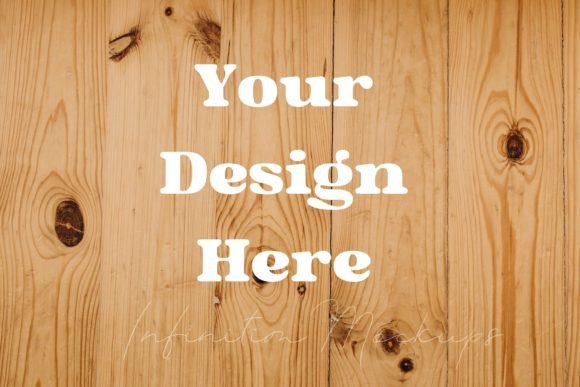
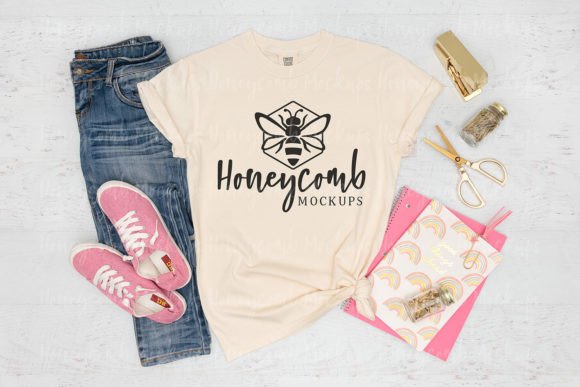
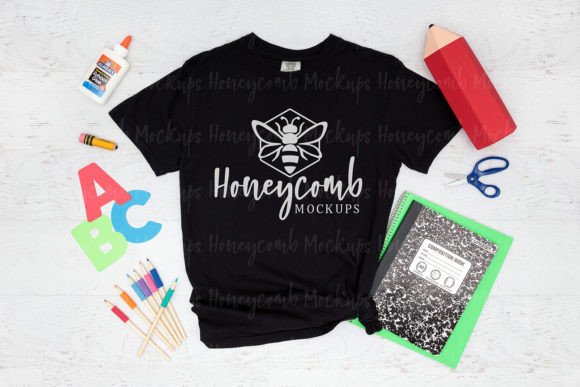
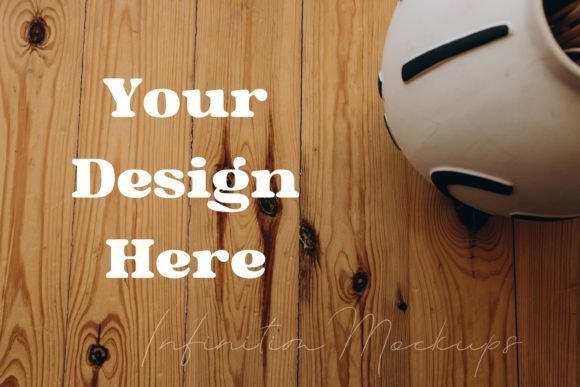
The moment you open the file, the mood is immediately clear: this is a tool for clarity. The layout is uncluttered, providing a neutral yet high-quality canvas that allows the embroidery design to take center stage. For an experienced designer, this is crucial. Too many mockups rely on heavy textures or distracting lighting that obscures the fine details of a machine embroidery design. With Product Background Mock Up, the visual personality feels modern and adaptable. It doesn't scream for attention; instead, it whispers professionalism, making it an ideal backdrop for everything from delicate baby embroidery to bold sweatshirt embroidery.
The detail level is sufficient to convey fabric texture without overpowering the stitch definition. Whether you are selling a digital embroidery file on Etsy or marketing a finished handmade product, this background helps bridge the gap between a digital image and the tactile reality of thread and fabric.
Real-World Application: The Custom Tote Bag Scenario
To truly evaluate this asset, I imagined a real-life scenario that many of us face daily. Picture a client ordering a custom embroidered tote bag for a boutique launch. They need to see how their logo will look before we commit to stitching fifty units. Using Product Background Mock Up, I can place my digitized logo onto the mockup to simulate the final finished product.
In this context, the mockup performs exceptionally well. It handles the visualization of satin stitch borders and dense fill stitch areas with realism. If I were to present this to a client, the clean background ensures they focus on the thread colors and the shape of the design rather than the environment. It builds immediate trust. When a customer sees a crisp, well-presented image, they perceive higher value in the custom apparel or accessory being sold. This is particularly vital for Etsy seller accounts where competition is fierce, and first impressions happen in a split second.
Where This Design Shines in Your Shop
The versatility of Product Background Mock Up makes it a strong candidate for a wide range of applications. Here is where I see it fitting best in a production workflow:
- Digital Product Previews: Perfect for SVG sellers or those selling embroidery files who need to show how a design looks when stitched out without actually hooping every single colorway.
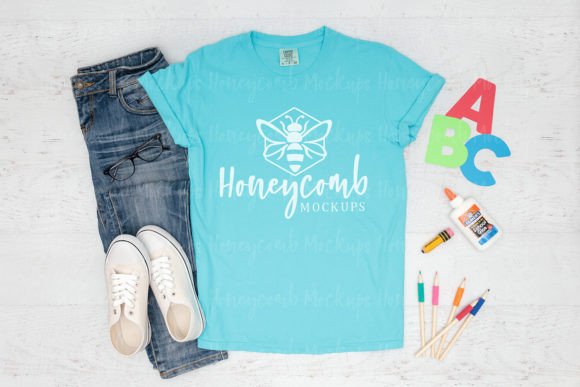
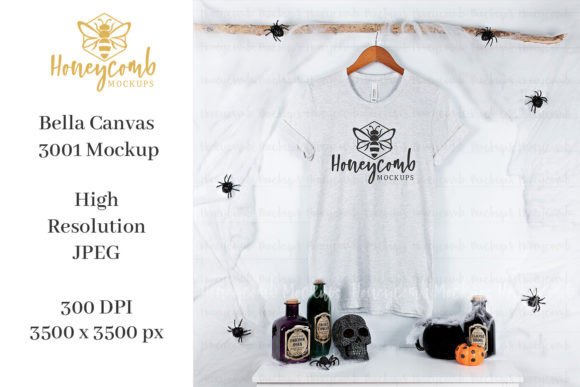
- Apparel Branding: Ideal for visualizing logos on t-shirts, hoodies, and caps, helping clients approve placement before production begins.
- Home Decor Listings: Works beautifully for showcasing pillow covers, kitchen towels, and nursery decor items where a clean background highlights the intricacy of the stitching.
- Holiday and Gift Collections: Great for creating cohesive social media posts for holiday embroidery collections, ensuring brand consistency across all marketing materials.
- Print-on-Demand Integration: As noted in its description, it is excellent for print-on-demand businesses needing to overlay designs onto product images seamlessly.
Critical Considerations for Embroidery Execution
While Product Background Mock Up is a fantastic tool for visualization and marketing, it is important to distinguish between the digital preview and the physical stitching reality. As a reviewer, I must point out where caution is needed when translating these visuals into actual embroidery projects.
If you are using this mockup to plan a design for a curved surface like a cap, remember that the digital representation may not fully account for the distortion caused by the curvature. Similarly, when dealing with textured fabrics like thick towels or fleece, the stitch density required to achieve the look in the mockup might need adjustment. A design that looks crisp on a smooth digital background might sink into a plush towel if the underlay isn't robust enough.
For small hoop sizes, be wary of intricate details shown in the mockup. What appears as a sharp corner in the graphic might become a bird's nest of thread if the running stitch or satin columns are too tight for the physical constraints of a 4x4 hoop. Always verify that the scale of the design in the mockup matches the capabilities of your machine and the stability of your chosen fabric.
Designer Notes for Best Results
To get the most out of Product Background Mock Up and ensure your physical products match the hype of your photos, follow these practical steps:
- Test on Scrap Fabric: Never skip the stitch-out test. Use the mockup for client approval, but always validate the embroidery file on a scrap piece of the actual material you intend to use.
- Check Thread Contrast: Ensure your chosen thread colors pop against the actual fabric, not just the digital background. What looks good on screen might blend in poorly on dark navy or black garments.
- Review Stitch Density: High-density areas in a mockup can cause puckering on thin fabric or stretchy fabric. Adjust your digitizing settings accordingly.
- Confirm Hoop Size: Double-check that the design dimensions in the mockup fit within your available hoop sizes, especially for larger tote bag design projects.
- Inspect Small Details: Zoom in on tiny lettering or fine lines in the mockup and ask yourself if they will survive frequent washing. If not, simplify the design.
- Use Proper Stabilizer: The mockup shows a perfect result, but achieving that physically requires the right stabilizer choice for the specific fabric weight.
- Verify Licensing: Before selling design assets or finished goods featuring this mockup style, confirm the licensing terms to ensure commercial use is permitted.
Final Verdict: A Valuable Asset for Modern Makers
In conclusion, Product Background Mock Up is more than just a pretty picture; it is a strategic asset for any serious creative entrepreneur. It solves the common problem of presenting digital designs in a tangible, appealing way. By saving time on photography setup and providing a consistent look for your small shop product listings, it allows you to focus more on the art of embroidery and less on the logistics of marketing.
Whether you are preparing a personalized gift for a loved one or building a catalog for a large commercial embroidery run, this tool helps elevate your brand perception. It fosters buyer engagement by presenting your work with the polish it deserves. Just remember to balance the digital perfection of the mockup with the practical realities of thread, fabric, and machine limitations. When used wisely, Product Background Mock Up can indeed take your work to the next level, turning casual browsers into loyal customers.