Checkered Retro Pumpkin: A Designer's Stitch Review
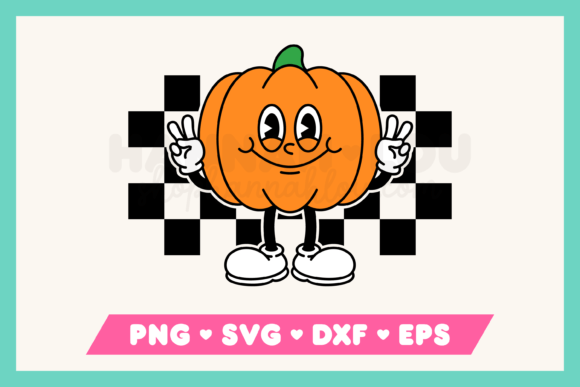
When I first pulled up the Checkered Retro Pumpkin file on my screen, I didn't just see a seasonal graphic; I saw a specific challenge and opportunity for my upcoming fall collection. As someone who spends more time staring at stitch maps than actual pumpkins, my first impression was driven by the bold geometry of the checkered pattern. This isn't your standard, soft-shaded gourd. It has a distinct mid-century modern vibe that feels fresh compared to the oversaturated rustic farmhouse trends we've seen for years. The layout is clean, with strong lines that suggest it will translate beautifully into a machine embroidery design, provided the digitizing holds up under the needle.
Visual Personality and Project Fit
The mood this design creates is playful yet sophisticated. The retro aesthetic implies a certain nostalgia, making it an excellent candidate for boutique branding or limited-edition custom apparel. Because the shapes are defined by high-contrast checks rather than intricate shading, the visual personality is punchy. This makes it ideal for products where you need immediate recognition from a distance, such as a tote bag design for a craft fair or a statement piece on a hoodie.
In terms of category, while this falls under Crafts and Graphics, its true potential lies in how it bridges the gap between digital art and tactile texture. The sharp angles of the checks offer a great opportunity to play with thread colors. You could stick to classic orange and black for Halloween, or pivot to earthy terracotta and cream for a broader autumn decor appeal. The simplicity of the form means it won't get lost on textured fabrics, which is often a pain point with overly detailed embroidery files.
Real-World Application: The Tote Bag Test
To truly evaluate this asset, I imagined a real-life scenario: preparing a run of canvas tote bags for a local farmer's market. This is a common use case for many Etsy sellers and small shop owners. The Checkered Retro Pumpkin sits perfectly in the center of a standard tote panel. Unlike designs with fine, wispy details that can get swallowed by the weave of canvas, the solid blocks of the checkered pattern should pop.
If I were stitching this onto a sweatshirt, the result would likely be a cozy, vintage-inspired finished product that appeals to customers looking for something unique rather than mass-produced. For baby embroidery, the lack of tiny, loose threads makes it a safer, durable choice for items that will see frequent washing. However, the scale matters. On a baby onesie, you would need to ensure the design is resized appropriately so the individual checks don't become too small to stitch cleanly.
Navigating Fabric and Hoop Constraints
Every designer knows that a great screen image doesn't always equal a great stitch-out. There are specific areas where you need to exercise caution with the Checkered Retro Pumpkin. First, consider your hoop size. If you are working with a 4x4 hoop, you might be limited in how large you can make the design without losing the integrity of the outer edges. Always confirm the maximum dimensions of the file before committing to a large garment like a hoodie back.
Fabric texture is another critical variable. While this design works well on stable cottons and canvas, placing it on stretchy knits or slippery performance fabrics requires a robust stabilizer strategy. The geometric nature of the checks means any fabric distortion will be immediately visible as wavy lines, ruining the retro effect. For curved surfaces like caps, the center of the pumpkin might stitch out fine, but the outer checks could suffer from pull compensation issues if the digitizing isn't optimized for curves. I recommend testing on scrap fabric that matches your final material exactly.
Additionally, be mindful of stitch density. Checkered patterns can sometimes become dense if every square is filled individually with satin or fill stitches. If the file uses a high density of fill stitch or satin stitch work, it could make the final item stiff. For a personalized gift like a kitchen towel or apron, you want the fabric to remain drapeable and absorbent. If the design feels too heavy during your test run, consider adjusting the density settings in your software if you have the editable source, or choose a lighter weight thread.
Commercial Viability and Brand Trust
For craft business owners, the visual clarity of this design directly impacts perceived value. A crisp, well-stitched checkered pattern signals professionalism. It tells the customer that attention was paid to alignment and tension. In contrast, a poorly executed version of this design would look messy very quickly due to the repetitive nature of the grid. This affects buyer engagement and trust. When selling small shop products, consistency is key. If you plan to use this across a line of merchandise—from patches to pillow covers—the design needs to maintain its sharpness at various scales.
Using this as a digital embroidery file for sale also requires careful consideration of licensing. Since the product description mentions formats like PNG, SVG, DXF, and EPS, it is versatile for both cutting machines and embroidery setups. However, always verify the license terms before selling the design assets themselves versus the physical handmade product. Many creators want to sell the finished embroidered patch or sweatshirt embroidery but may not have the rights to resell the digital file.
Final Designer Notes for Execution
Before launching this into production, here is my practical checklist for working with the Checkered Retro Pumpkin:
- Test on Scrap: Never skip this. Stitch the design on the exact fabric and stabilizer combination you intend to use for the final product.
- Check Contrast: View your printable mockup in black and white. If the checks blend together without color, the design might lack definition on certain fabric backgrounds.
- Inspect Small Details: Zoom in on the corners of the checks. Are they sharp, or do they look rounded and muddy? This indicates the quality of the digitizing.
- Verify Formats: Ensure you have the correct embroidery file extension for your specific machine brand (e.g., PES, DST, JEF) since the download includes vector formats like SVG and DXF which may need conversion.
- Assess Washability: If this is for holiday embroidery gifts that will be worn often, ensure the thread anchors are secure, especially at the intersections of the checkered lines.
Ultimately, the Checkered Retro Pumpkin is a strong contender for your fall lineup. It offers a modern twist on a classic symbol, avoiding the cliché while remaining instantly recognizable. With careful attention to fabric choice, stabilization, and sizing, it can elevate a simple t-shirt into a standout piece of commercial embroidery art. Whether you are decorating a boutique or creating gifts for family, this design provides a solid foundation for creative expression, as long as you respect the technical limitations of the medium.